When to Use 3D Scanning in Your Product Lifecycle


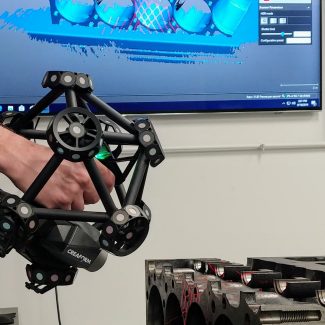
Are you wondering how 3D scanning can be used throughout your product lifecycle? Product development and manufacturing involves endless decisions about which tools and technologies to use at each stage. 3D scanning, which captures precise digital representations of physical objects, is one of the most adaptable modern technologies. Knowing when to integrate 3D scanning into your product lifecycle can save time, reduce costs and improve outcomes across development and production. Here are some thoughts that will help you know the best uses for it.
Early Stage Design and Conceptualization
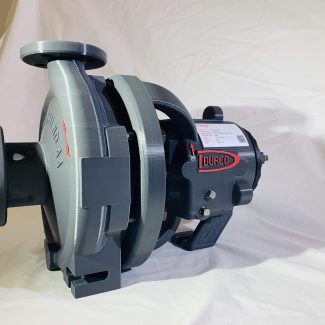
Product lifecycle often begins with inspiration from existing products or the need to improve upon those designs. 3D scanning is valuable when you have physical prototypes, clay models, or reference objects. Instead of spending hours measuring and modeling from scratch, scanning easily captures the exact geometry in minutes.
This is useful when you’re working with organic shapes, ergonomic forms, or complex surfaces that would take forever to model manually. You can scan physical mock-ups, modify them digitally and quickly iterate without starting from zero each time. The result is faster progression from concept to design, meaning you can test more in less time.
Reverse Engineering Applications
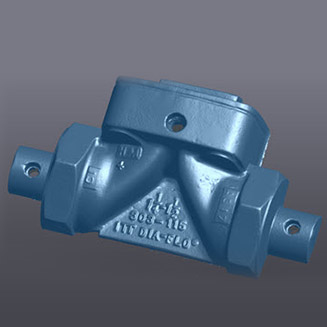
Sometimes original design files are unavailable or never existed in digital format. This happens more often than you might think. Old parts from discontinued product lines or equipment lacking documentation all benefit from scanning and reverse engineering.
The process transforms physical parts into workable CAD models that can be analyzed, modified and reproduced. This is critical for maintaining older equipment, creating replacement parts or updating designs that were manufactured before digital design tools became standard. Scanning brings these items into modern design environments where you can actually work with them.
Quality Control and Inspection
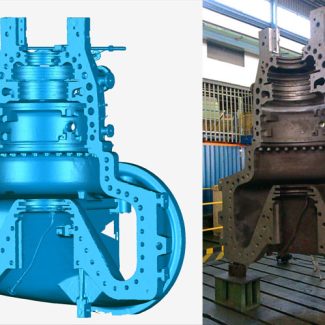
As products move into production, maintaining quality standards is important. 3D scanning serves as a powerful inspection tool. It compares manufactured parts against the original design. Overlay scans identify deviations, measure tolerances, and highlight areas where production may be drifting from intended dimensions.
This is especially helpful for high precision industries or when you’re working with new manufacturing partners. Rather than relying on traditional measurement tools like calipers and micrometers, scanning provides comprehensive data across entire surfaces. Issues can be found and corrected before they result in larger quality problems or recalls that nobody wants to deal with.
Tooling and Fixture Development
Manufacturing efficiency often depends on custom tooling and fixtures designed to hold, position, or guide parts through production processes. 3D scanning existing equipment, workspaces and parts ensures that new tools integrate perfectly with your current setup.
By scanning the actual production environment rather than working from outdated drawings, you can create fixtures that fit correctly on the first try. This minimizes production delays and ensures that your tooling investments deliver immediate value instead of sitting on a shelf waiting for modifications.
Product Updates and Improvements
Existing products require updates Whether it is to add features, improve performance or address issues discovered. When you’re modifying physical products, 3D scanning captures the current state accurately, including any variations from original specifications that may have occurred during production over time.
This current state documentation ensures that your modifications account for reality rather than assumptions about how things should be. You can design updates knowing exactly what you’re working with. This reduces the risk of compatibility issues when improvements are implemented.
Warranty and Failure Analysis
When products fail in the field, we need to understand why. 3D scanning worn or damaged parts provides detailed data about how parts degraded over time. Comparing scans of failed parts against original specifications or new parts reveals wear patterns, stress points and potential design weaknesses.
This information drives improvements in future iterations. The insights gained lead to design modifications that extend product life and reduce warranty claims down the road.
Documentation and Archiving
As products reach maturity or end of life, maintaining accurate records becomes important for future reference, compliance, or potential reintroduction. 3D scanning creates permanent digital archives of physical products, preserving exact geometries even after original tooling or parts are no longer available.
These digital archives prove valuable when questions arise years later about specifications, when replacement parts are needed for legacy products, or when historical data informs new product development. Think of it as insurance for your institutional knowledge.
3D scanning offers value throughout the entire product lifecycle, from initial concept through production and beyond. We want to help you, so if you have any questions, don’t hesitate to reach out: https://celeropartners.com/contact/