How Celero Partners Serves the Medical Industry


The medical industry has a lot of restraints that don’t exist in most other industries. The regulations are air-tight, and the stakes are essentially life and death. There is no margin for error, whether it is a gadget that goes within a patient’s body, equipment that has to operate dependably or components that have to fulfill strict criteria.
This is why medical device designers need partners who understand these specific requirements and can supply solutions that consistently meet them.
Rapid Prototyping of Medical Devices
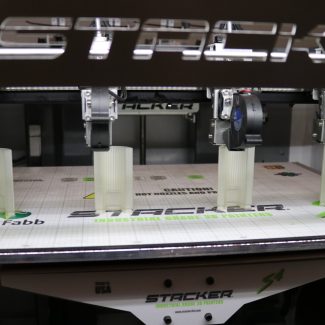
There are numerous stages of medical device development that are iterative. A component will have to fit the human body in a certain way, or do something that requires precise dimensions and use specific materials. Getting these elements right results in developing several prototypes, testing them and revising the design. This process can be sped up with 3D printing technologies. Instead of waiting, you can build medical devices that have functional parts within days.
The capacity to prototype in different materials helps, too. You might need a hard part in one material for structural testing and a flexible part in another material for user comfort. Various 3D printing technologies and materials are available for the prototyping process and this is useful to make prototypes that will represent the performance of the final product.
Accuracy That Meets Medical Standards
Medical applications don’t allow variation from their requirements. Even a fraction of a millimeter off on any component can mean the part doesn’t fit right, and may not perform its intended or function safely. This level of accuracy demands accurate design capture and manufacturing methods .
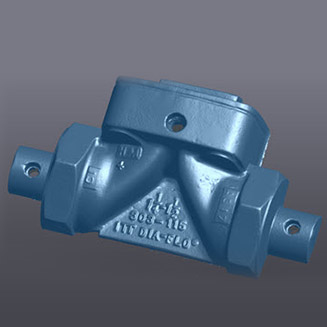
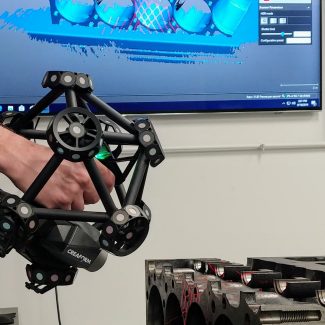
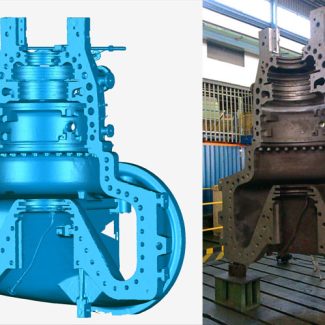
This is where 3D scanning is key. Scanning collects accurate geometry that drive design decisions. It can be accurate to thousandths of an inch and provides the foundation for designs that fulfill the precise standards of the medical industry.
Dental Chair Case Study Components
A maker of dental equipment encountered a frequent difficulty in medical device development. They had to go through several variations on the shape of their chair. By means of 3D scanning technologies and physical testing. Celero Partners was able to get the optimum design and what normally would have taken a lot of human measuring and CAD work was done quickly.
This saved a lot of time. The scan caught everything properly and instantly, saving the design team days of recreating the geometry from measurements. The client went from approved prototype to production ready CAD model in a quarter of the time it normally takes.
Regulatory Documentation Support
Medical device development requires a lot of documentation for regulatory approval. Your device has to show that it fulfills standards, works as it should, and has been produced consistently. This paperwork burden is high and necessitates that the records be correct during development and production.
3D scanning and digital modeling can be used to provide documentation for regulatory submissions. Scan data is used to provide verifiable records of as-built geometry. CAD models are an accurate recording of design intent . The scan comparison quality inspection shows production uniformity. These digital records support the documentation requirements of medical device approvals.
Custom and Small Batch Production
Medical applications, however, sometimes involve relatively low production volumes or even unique one-off devices for particular patients. 3D printing and modern manufacturing techniques can produce tiny batches. You don’t need to order thousands of units to justify tooling costs. You can make exactly what you want, when you want it.
From Idea to Clinical Application
Medical device development starts with an original concept, then moves into prototyping, testing, regulatory approval, and finally production. Having a manufacturing partner who can support you on this full journey provides continuity and reduces the difficulty of managing many vendors with diverse competencies.
The people that helped prototype your item know its requirements, its history, and what is most important to make it work. When you get into production, that institutional knowledge just carries right over. You don’t have to explain everything all over again to a new vendor, or hope that documentation alone will convey manufacturing purpose accurately.
The medical industry requires precision, reliability and a high grasp of particular needs not met by other industries. From quick prototyping that speeds development to precise production that satisfies strict specifications, having the appropriate partners with the proper capabilities and knowledge is the difference between suffering through development and moving confidently from concept to clinical usage.