Celero Partners Solves Unique Challenges with Custom Solutions


Every business faces obstacles that cannot be solved with the standard way of doing things. What are your business’s obstacles? We have found that issues like a discontinued part from a supplier that halts production, manufacturing issues that halt production, and even needing to redesign an existing product to meet custom needs. While these are just a few examples, they illustrate an important concept. Each of these problems, and many beyond that, will need a customized approach to solve it.
How do you know if you will need to take a customized approach to solving your issue? Here are some thoughts:
Understanding the Need for Customization
Standard solutions work well for common problems but they fall short when facing issues that don’t fit the mold. A manufacturer might need a specially designed part for a specific machine configuration. A facility might need automation to existing infrastructure, rather than having to completely overhaul their system.
These situations require assessment of the full scope of a challenge, then identifying the right combination of technologies and delivering solutions built around your specialized needs. The process begins with understanding not just what a client wants, but why they need it.
Leveraging Multiple Technologies
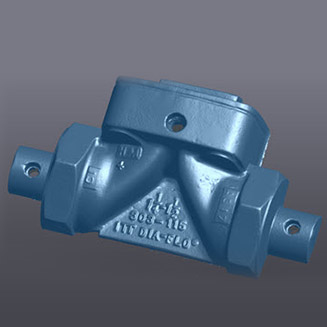
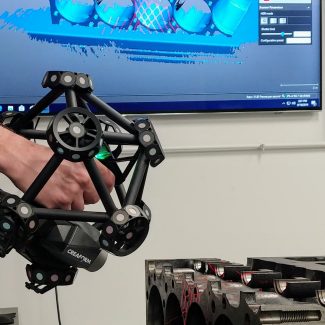
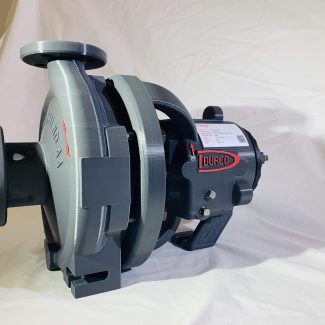
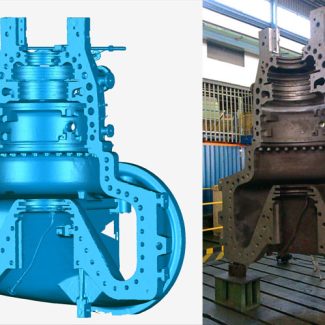
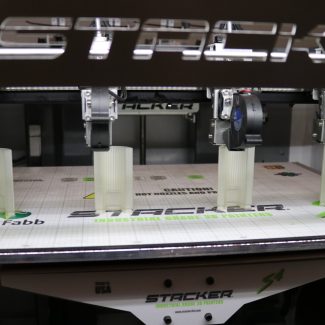
Solving complex challenges often requires multiple technological capabilities. A single project might benefit from 3D scanning, CAD, and 3D printing all in one to create functional custom solutions. Ultimately this custom tooling or automation can bring the solution into full production.
This integrated approach means fewer handoffs between vendors, better communication throughout the development process, and solutions that consider manufacturability and cost from the earliest stages. When design, prototyping, and production capabilities exist under one roof, iterations happen faster and potential issues are identified before they become costly problems.
Real World Applications
Custom solutions take many forms depending on industry and specific application. In casting and foundry work, 3D printed patterns can replace traditional methods, reducing lead times from weeks to days while cutting costs significantly. For medical device companies, rapid prototyping allows multiple design iterations before committing to expensive tooling.
Manufacturing benefits from custom fixtures and automation designed specifically for their production environment. Rather than adapting workflows to generic equipment, tailored automation integrates seamlessly with existing processes. This approach minimizes disruption while maximizing efficiency gains.
Product developers working on consumer goods can validate market fit through realistic prototypes and renderings before investing in full production. This early stage customization helps ensure that products align with customer needs and manufacturing realities simultaneously.
Moving from Problem to Solution
The process typically begins with consultation to fully understand the challenge at hand. This might involve examining existing parts or processes, or discussing broader business objectives. From there, we can determine appropriate technologies and approaches to fitting your needs.
Are you interested in exploring how we can help you with these? We really listen to what you need, and then establish the right solution for you. To get started, please contact us.