How to Design Products with Manufacturability in Mind


The perfect product idea doesn’t always translate into a successful product. The difference between concept and reality can come down to one thing. The manufacturability of your designs. Your product might look perfect on screen and it also might function well in its prototype phase. If it is difficult to build or expensive to produce at the scale you need for full production, it will have a harder time being successful.
Designing with how your product will be manufactured in mind at the start will save time and actually increase the chances that your product will eventually make it to potential customers. Here’s how to approach product design with manufacturing realities baked into the process.
Start with Material Selection
The materials you choose have a huge impact on how a product gets manufactured in the end. Different materials could require different processes and different tools you have to work with. Consider the materials you are using in your designs as early in the process as you possibly can. As a few examples, think about the strength requirements, weight constraints and environmental conditions the product will face as well the cost of actually using those materials. By understanding the tradeoffs from the beginning, you can design within whatever constraints your chosen materials have instead of discovering limitations after work gets done.
Simplify Part Geometry
Complex geometries can showcase impressive design skills. But with complexity, you could create manufacturing headaches. Intricate designs and internal features can drive up production costs or require specialized equipment.
Look for any opportunity to simplify your design without sacrificing its actual function. Sometimes a small change in the geometry of your product makes all the difference. It could change from one that requires expensive machining and one that can be produced on standard equipment. The simpler the geometry, the more manufacturing options you’ll have available.
Minimize Part Count
Every additional part in an assembly means more components to assemble. It means more potential points of failure and more possible complexities in your supply chain. Wherever possible, try to consolidate on parts.
More modern manufacturing techniques like 3D printing allow you to create more complex single piece designs then were possible in the past. Even with what are considered traditional methods, thoughtful design can reduce part count. Fewer parts mean lower costs, faster assembly, easier quality control and when everything is said and done, you have a more reliable product.
Think About Assembly
Even the most simple, manufacturable parts can create problems if they prove difficult to assemble. Remember to design parts that fit together easily. Consider how assembly workers or automated systems will handle and join components.
Ask yourself these questions. Can parts only go together one way, preventing errors? Are fasteners accessible? Does the assembly sequence make sense?
Plan for Inspection and Quality Control
Your design should have parts that meet quality control specifications. Quality control is something that becomes challenging and expensive.
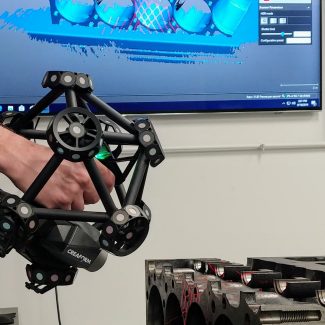
Think about how manufactured parts will be inspected. Make sure that key features are easily measurable, make sure to have visual indicators that assembly was done correctly. Build inspection considerations into your design. These all help ensure consistent quality without adding unnecessary verification steps.
Prototype with Production Methods
Prototyping in the same ways you will use for production can help reveal manufacturing issues early on in your process. A prototype that gets made through a completely different method might work for now. But it tells you nothing about how the design will translate to the manufacturing method you intend to use for the final product.
Whenever you can, create prototypes using production processes you will actually use in your final. This confirms not only that the design works functionally, but that it can also be actually manufactured in your intended way.
Designing for manufacturability shouldn’t hinder your creative process. It should be able to channel creativity in directions that lead to products that can actually be made well, affordably and consistently. The best designs will be able to balance innovation with manufacturing reality. This will help a product do well in the market.