Functional Prototypes – Going Beyond Aesthetic Models


When people think about prototypes, they might picture sleek models that look like a final product. Aesthetic prototypes have their place and do exist for presentations or market research. But, if you really want to confirm a product concept is going to work and move toward production, you need a set of prototypes that emphasize function rather than how it looks.
Functional prototypes test the things that matter most for your products. Does it work, can it handle conditions you put them through, will people actually want to use it?
What Makes a Prototype Functional
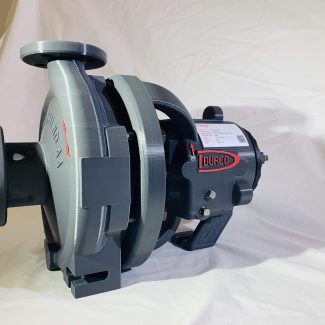
Functional prototypes don’t only resemble what the final product will look like at the end of production, it actually performs like it should. Having a true to production prototype allows you to stress test your design before committing to a full production run. You need to know if, say, that hinge will hold up after a thousand cycles, or maybe if the weight distribution feels right in someone’s hand. Aesthetic models don’t really help you figure these things out, no matter how amazing they look.
Testing Real World Performance
We know that products don’t live in controlled environments or sit on display tables. They get dropped, exposed to temperature changes, used incorrectly and pushed beyond intended limits. Functional prototypes let you test these conditions and see what will break in real world settings.
Maybe your design looks perfect but uses a material that becomes weaker in cold weather. These issues won’t show up in a pretty rendering or a non-functional model. You need something you can actually beat up a bit to find the weak points before your customers do.
Validating Mechanical and Technical Elements
Think about products with moving parts, electronics, or complex assemblies. Functional testing is everything. You might have CAD models that show parts fitting together, but how materials behave in the real world can really differ from what you might expect.
A functional prototype reveals interference issues, helps you understand how much clearance you actually need and shows whether your assembly sequence makes sense. You need to hold a product, use it, confirm that all those careful calculations you’ve made translate into something that works.
Iterating Based on Real Feedback
When you put a working prototype in someone’s hands, you get feedback that goes beyond someone saying “it looks nice”. Users can tell if something feels awkward or if a feature doesn’t work the way they expected.
This feedback is gold because it comes from interaction with something real. You can iterate on actual performance issues rather than guessing at what might be problems later. Each iteration brings you closer to a design that works well, not just one that looks good in photos.
Reducing Risk Before Production
Injection molding can run you tens of thousands of dollars. Setting up production lines requires investment. Making changes after these commitments have been made is expensive and time consuming. Functional prototypes allow you to find and work through any issues while changes are still easy and cheap to implement since you haven’t invested in full production.
Bridging Design and Manufacturing
Functional prototypes can be a bridge between your design ideas and manufacturing reality. They force you to have conversations about how parts will actually be made, what tolerances are going to be realistic and where compromises might actually be necessary. These conversations have to happen. It’s much better to have them while looking at an actually functioning prototype than while troubleshooting a production line later on.
Aesthetic models have their moment. But if you want to develop products that succeed in the real world, functional prototypes are where the real learning happens.