Balancing Innovation and Cost in Product Development


Every product developer faces the same tension. You want to create something innovative that stands out in the market, but you also need to keep costs reasonable enough that consumers can buy. At the same time, the product can actually be profitable. If you push too hard on innovation without considering cost, you could end up with something amazing that nobody can afford. If you focus only on cost cutting you’ll create something forgettable that gets lost in a sea of competitors.
Finding the right balance between them is what separates successful products from expensive failures. Here’s more information:
Innovation Doesn’t Always Mean Expensive
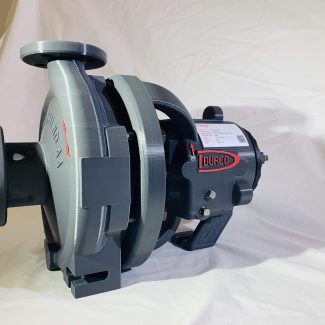
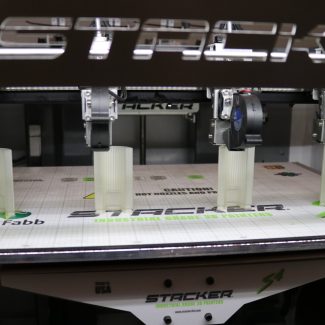
There’s a common misconception that innovation automatically drives up costs. Sometimes it does, but it is not always that way. Innovation can also mean finding smarter ways to achieve the same results you had before. 3D printing has changed prototyping. We used to require expensive tooling and long lead times. But we can now make these prototypes in days with just material costs. That is innovation that reduces expenses while speeding up development. The key is being open to different approaches.
Start with Target Pricing
One of the biggest mistakes in product development is designing something without a clear understanding of what it needs to cost. Starting with target pricing works backwards from what customers will pay at the forefront. If you know your product needs to hit a certain price point to be competitive, you can work backwards to understand your manufacturing cost constraints. This might bring up some concerns that working in this order could stifle innovation and creativity. But working with these constraints actually ends up bringing in more innovation that is catered toward solutions that can succeed commercially.
Design for Manufacturing Early
Waiting until the end of the design process to think about how something will be manufactured is asking for trouble. By that point, you might have locked in expensive features that bring up the production costs unnecessarily. Bringing manufacturing considerations as early as you can into the design discussions helps you make smart tradeoffs before they become problems.
Use Technology Strategically
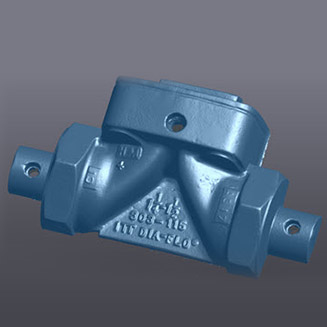
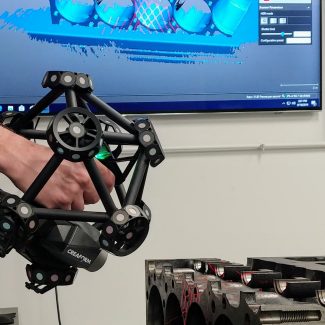
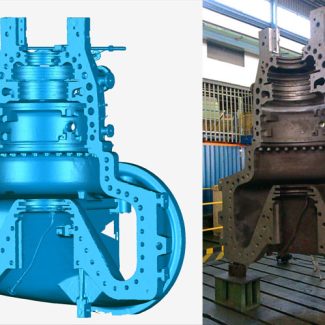
New technologies like 3D printing and advanced scanning can bring in innovation while managing costs. But, they’re not magic solutions for every situation. The key is understanding when these technologies provide real advantages and when traditional approaches make more sense.
For low volume production or complex geometries, 3D printing might be far more economical than traditional manufacturing. For high volumes of simple parts, conventional methods probably win. Match the technology to the specific need rather than forcing every problem through the same solution.
Don’t Sacrifice Core Value
You can’t simply optimize your way out of having a valuable product. If cost cutting compromises the core innovations or features that make your product worth buying in the first place, you’ve completely defeated the purpose. The goal for you is to deliver the innovation that matters to customers as efficiently as possible. It is not to get the lowest possible price at all costs. Some innovations are worth the price because they create real value that customers recognize and will pay for. Others are interesting but don’t move the needle enough to justify their expense.
Balancing innovation and cost isn’t about compromising one for the other. It’s about being smart with both. The best products deliver real innovation where it counts while being ruthlessly practical everywhere else. They’re designed with manufacturing reality in mind from day one, validated through prototyping, and refined based on real data about what customers value. That’s how you create products that are both innovative and profitable.
Please contact Celero Partners with any questions you may have.