How Engineering Support Helps Move Products from Concept to Production


Having a great product idea is only just the starting point when it comes to manufacturing. The journey from that first initial concept, all the way to getting actual products moving out the door involves countless decisions and challenges. Having engineering support throughout the process makes products reach the market efficiently.
Translating Ideas Into Workable Designs
Every product starts off as an idea, but only an idea isn’t something you can manufacture. Someone needs to be able to translate the concept into designs that can be made. They need to figure out how components fit together, and what materials are used. Skilled engineering teams take rough concepts and develop them into an actual design. They ask questions that reveal aspects and issues of the concept that weren’t fully thought through before those issues become expensive problems.
Building Prototypes That Test Real Assumptions
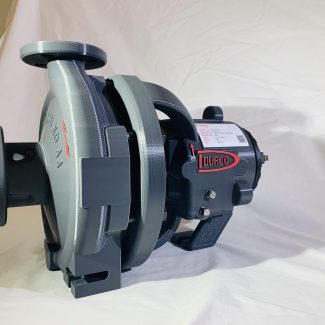
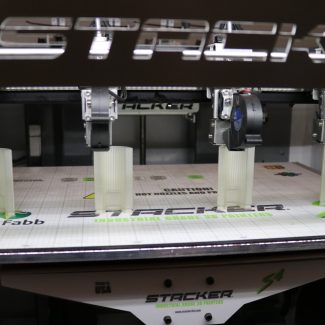
Concepts need to be validated before committing to production. Questions need to be asked. Does the product actually work? Does it feel right in users’ hands? But is it going to work in the real world? Engineering support includes not just mockups but also the development of prototypes. Functional prototypes get built with materials and construction that allow meaningful testing. Having access to multiple prototyping technologies matters here. Sometimes 3D printing produces the right prototypes. Sometimes machining better represents production intent. Engineering teams with varied prototyping capabilities can match the approach to each specific need.
Refining Designs Based on Testing
Prototype testing exposes things that could not be predicted from looking at designs alone. Maybe an ergonomic element is not working as it should. Or early failures could have been due to a stress concentration. The findings in this stage lead to design improvements that make the product more production-ready.
In the refinement phase, engineering support can take the test results and then change the design to fix the problems. The smallest changes that a designer might miss matter. Skilled engineering can guide refinements toward solutions that address current issues without introducing new ones.
Documenting Designs for Production
Once designs are ready for production, you need to have documentation that supports manufacturing by producing full CAD models with all needed details. Doing this documentation work is more involved than many people realize. Manufacturing teams need to have clear documentation to produce the parts that you need correctly. Engineering support that carries through to production documentation ensures the transition from development to manufacturing goes smoothly, with documentation that reflects deep understanding of what matters and why.
Solving Problems That Emerge During Production
Even well planned productions can encounter problems during manufacturing. Someone needs to figure out what’s happening and how to fix it. Engineering support during production means that you have people who understand the product, technically involved in the problem solving phase. They are able to analyze data, evaluate the possible options, and recommend solutions based on comprehensive understanding of how the product works. Fast problem solving keeps production running, and having engineering support readily available means problems get solved quickly rather than causing extended disruptions.
The Compounding Value of Consistent Support
The most significant benefit of engineering support throughout the concept to production journey is consistency. When the same engineering perspective is what is informing decisions, everything is going to build on each other coherently. Solutions consider full context. Documentation reflects deep understanding.
This consistency compounds throughout a product’s lifecycle. Products that receive consistent engineering support tend to be more successful than those where engineering involvement is fragmented or intermittent. The value shows up in higher quality, lower costs, faster development, better manufacturing efficiency, and stronger competitive position.
Moving products from concept to production successfully requires engineering support that spans the entire journey, providing the technical foundation that makes everything else possible.