What to Look for in a Contract Manufacturing Partner


Choosing a contract manufacturing partner is one of the more consequential decisions a company can make. The right partner becomes an extension of your operations. They deliver products that represent your brand to your customers. The wrong partner creates quality problems, missed deadlines, and headaches that can damage your business.
Relevant Experience in Your Industry
Manufacturing knowledge doesn’t automatically transfer across every single industry. Medical device production is going to involve different considerations than consumer electronics do. Try and find partners who have genuine experience in your specific industry, or with similar products. Ask about projects they’ve handled that resemble yours. Real experience shows up in these conversations. Partners who actually understand your industry can anticipate common issues and bring solutions to the table rather than needing extensive education about basic requirements.
Range of Capabilities Under One Roof
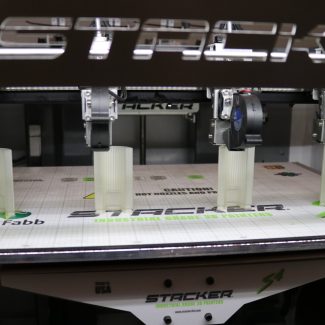
Complex products often require multiple manufacturing capabilities. You might need machining, 3D printing, assembly, and finishing all working together. Having to manage multiple vendors for all of these different capabilities creates huge challenges. There are communication gaps and finger pointing when problems arise.
Partners that offer integrated capabilities eliminate many of these issues because everything can happen within coordinated workflows. Problems get solved by the same team rather than requiring negotiations between separate vendors. Even if you don’t need all their capabilities for your current project, having them available means you’re prepared as your needs evolve.
Quality Systems That Actually Work
Every contract manufacturer claims to care about quality. What matters is whether they have systems in place that consistently deliver quality results. This shows up in practical ways: documented processes, calibrated equipment, trained operators, inspection procedures, and certifications relevant to your industry.
Ask direct questions about how they handle quality. How do they get their first article inspection? How do they monitor quality through production runs? The answers they give you will tell you whether quality is truly part of their operations or whether they just bring it up because it’s what customers expect.
If your industry has specific quality certifications, verify that potential partners have current certifications. These aren’t just paperwork. They represent audited systems for consistent quality delivery.
Transparent Communication Practices
Communication problems cause more contract manufacturing headaches than almost anything else. Delays that aren’t communicated until the last minute. Quality issues that get hidden rather than reported. Changes made without discussion. All of these damage relationships and create bigger problems than they should.
Look for partners who communicate proactively and honestly. They tell you about potential issues before they become problems. They respond to inquiries promptly. They provide status updates without needing to be asked repeatedly. Test this during your evaluation process. How responsive are they to your questions? Do their answers give you real information or feel like they’re managing you?
Partners who communicate well during the sales process usually continue that pattern once you’re working together. Those who struggle to respond promptly or give vague answers during evaluation typically get worse, not better, after the contract is signed.
Capacity Matched to Your Needs
Contract manufacturers vary widely in their capacity. Smaller operations are good for specialty work or products with low volumes, but have a hard time with bigger orders. Big operations have capacity but may not be able to focus on smaller customers or give the attention that specialized work requires.
Find partners whose capacity matches your needs. If you need thousands of parts monthly, small shops won’t work regardless of how skilled they are. If you need occasional prototype runs with excellent attention to detail, large volume manufacturers might treat you as an afterthought. Understanding where you fit in a potential partner’s business can help you to predict how much attention and priority your work will receive.
Willingness to Solve Problems Together
Manufacturing projects rarely go according to plan. Things go wrong, things need fixing and problems have to be solved. How potential partners tackle these challenges says a lot about what it will really be like working with them.
Look for partners who bring solutions with them to the table, rather than just presenting the problems to you. When challenges come up, do they immediately point fingers at specifications or your team? Because instead, they shield be able to engage with the problem and suggest ways to address it. Partners with problem solving orientation make projects go much more smoothly than those who see their role as strictly executing what you specify.
Understanding of Regulatory Requirements
If your products face regulatory requirements, your manufacturing partner needs to understand them thoroughly. Medical device regulations, aerospace standards, food safety requirements, and environmental compliance all affect how products can be manufactured and what documentation is required.
Partners who genuinely understand relevant regulations proactively address compliance requirements. They know what documentation you’ll need for regulatory submissions. They understand what processes need controlling. They can support audits and inspections effectively. Manufacturers who treat regulatory requirements as your problem to manage create risks that can affect your ability to sell products.
Clear Pricing and Terms
Business relationships are best when expectations are clear from the start. This covers everything from their specific pricing structures, to what happens if things go awry. If they have vague terms, this could lead to disputes popping up down the road when working together. Find partners who are transparent about their pricing and offer reasonable contract terms. Fair and clear terms are a sign that a potential partner is interested in sustainable business relations, not in winning contracts with misleading promises.
Cultural Fit
This is harder to evaluate but matters more than most people realize. Do you communicate well with their team? Do you share similar values around quality, service, and doing business? Can you imagine working with them productively over years?
The best contract manufacturing relationships feel like genuine partnerships rather than transactional vendor arrangements. Finding partners with compatible culture makes these relationships more successful and more pleasant. Cultural misfits create friction that undermines even technically capable partnerships.
Choosing wisely up front saves enormous headaches later. Take the time to thoroughly assess potential partners on all of these examples. Doing a little more research on your options before you make your commitment will save you the much bigger cost of the issues coming from selecting the wrong manufacturer to work with.